A Plea
Zmago Jeraj, a Slovenian academic painter known for his unique style, received the Prešeren Award, the highest Slovenian recognition in the field of culture, in 2009 for his life’s work. In his speech, he called on people to hang paintings on the walls and place sculptures in gardens. This call can be understood as a plea for a greater presence of art in everyday life. But those who knew him know that this was not his only message.
The Wall Methaphore
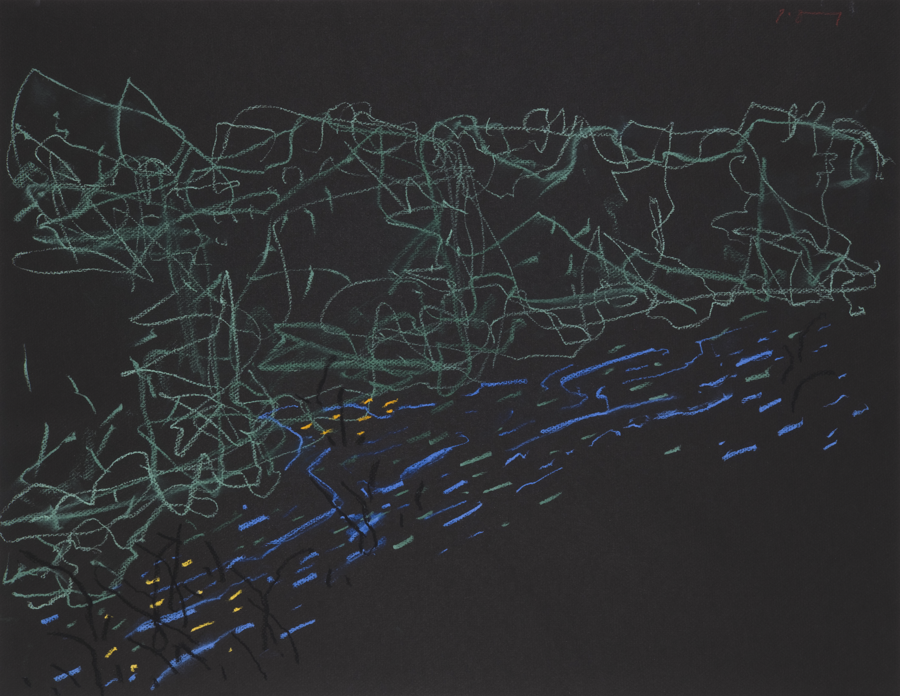
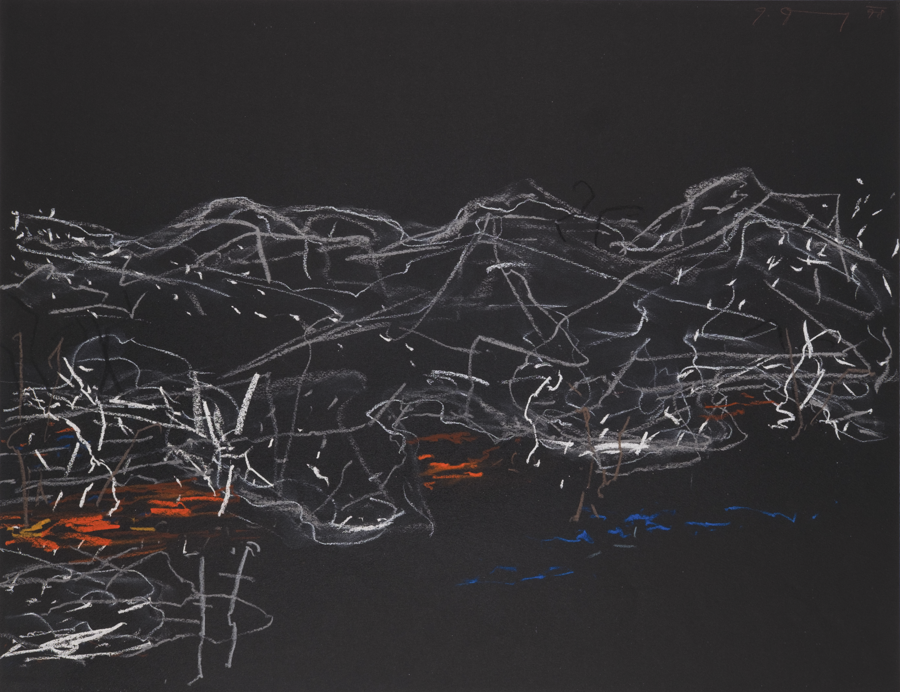
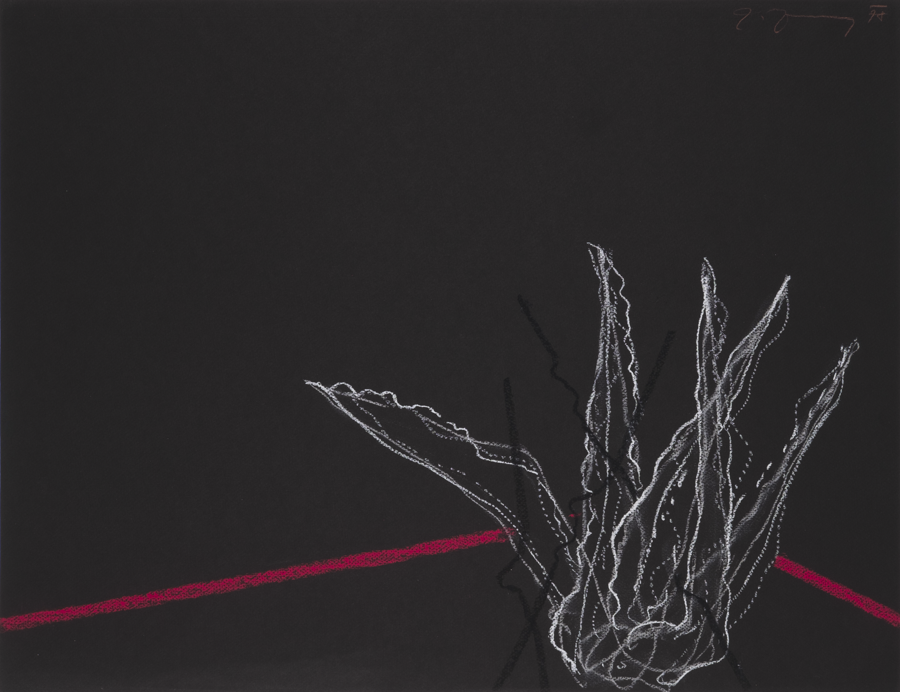
The motif of the wall, which he mentions, accompanied him throughout his creative periods and served as a metaphor to illustrate the contact between two worlds, the external and internal world, the conscious and unconscious, thus the space where the deepest and most essential contents of the personality are projected and with which we are in daily contact. What arises here is therefore a result of opposing forces and is subject to constant developmental change. The inner side of the wall is created to protect us from external influences, while the outer side is a construction project of the community into which we are born and which shapes us in its image. The wall grows and develops, permeates and retains. In Jeraj’s case, this boundary is depicted differently in various creative periods. Initially as a straight red line, threshold, wall, architecture of walls, which later gives way to a more impenetrable, organic web. The author intervenes in this structure, but only so much as to maintain passability, which he did in various ways. There are periods when he approached this with clear, toreador-geometric cuts (for example, screen printing around 1970), at other times with more graffiti-like organic incisions (the cycle Drawings Just Like That), and there are periods when he succeeded in dematerializations by some kind of (al)chemical transformation of aggregate states. He did not perform this as someone dissatisfied, emphasizing misery, but rather in a mischievously humorous way, like a free-spirited curious person. Just walk through, with the style.
The Drawing Painting
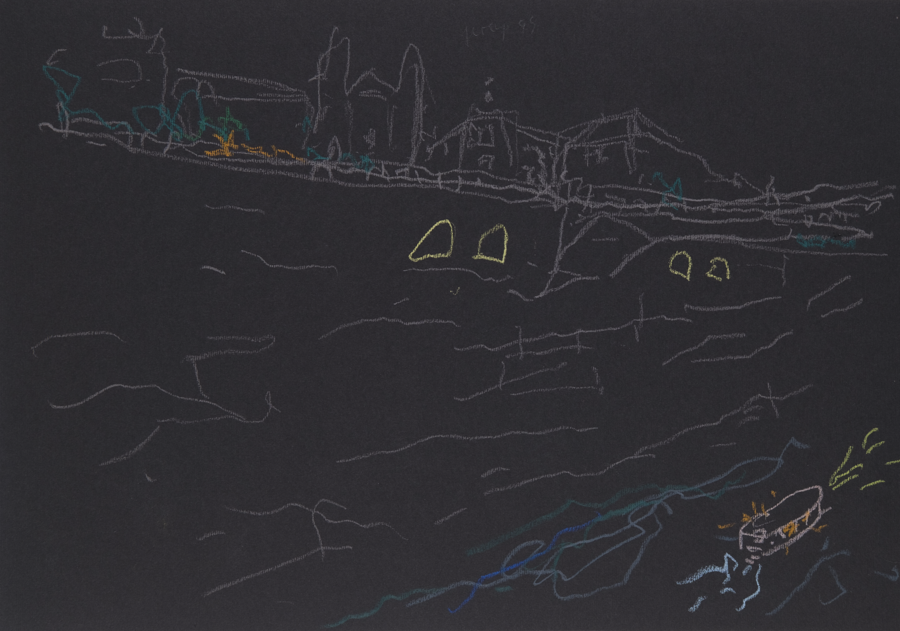
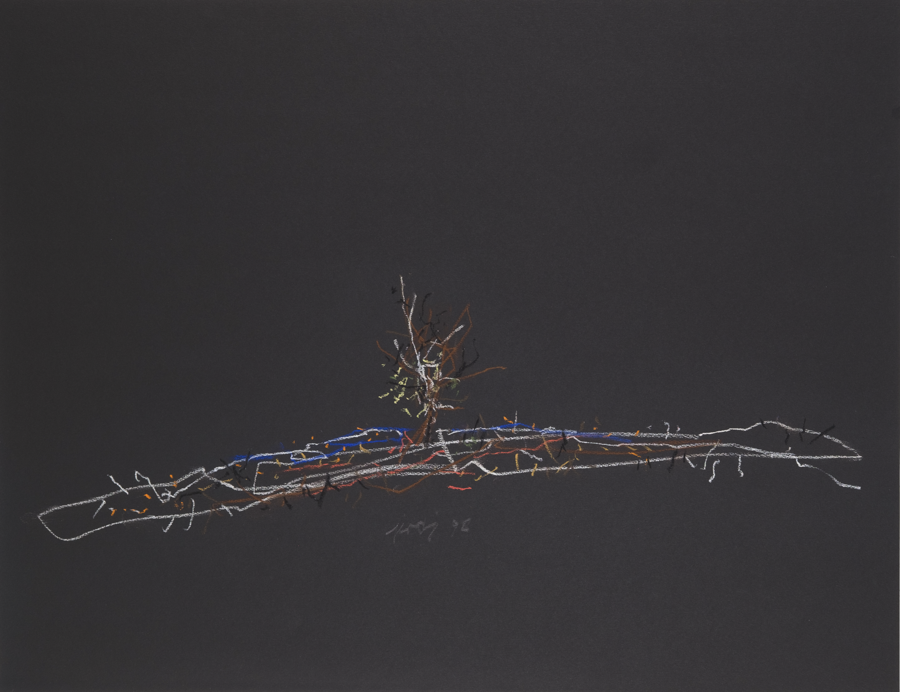
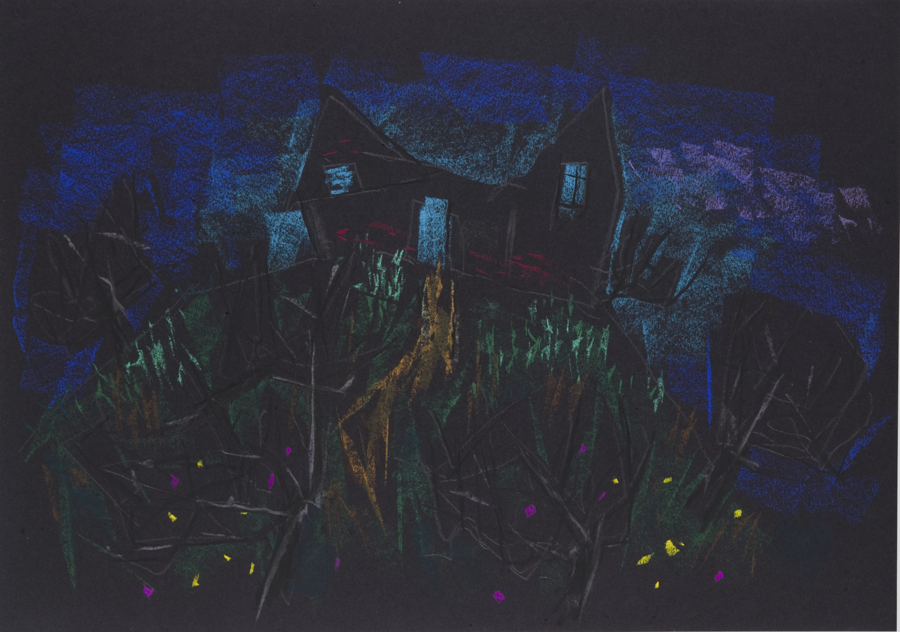
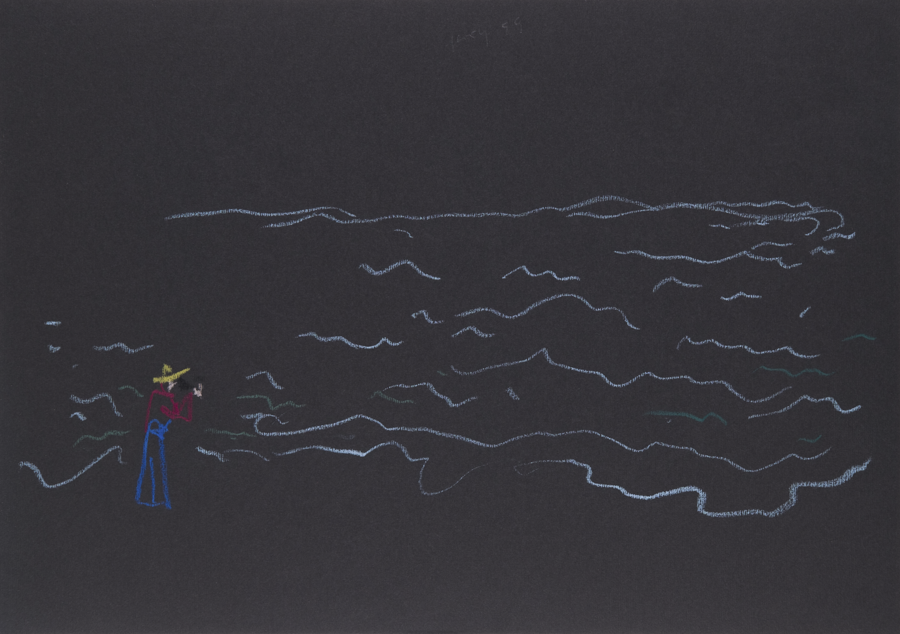
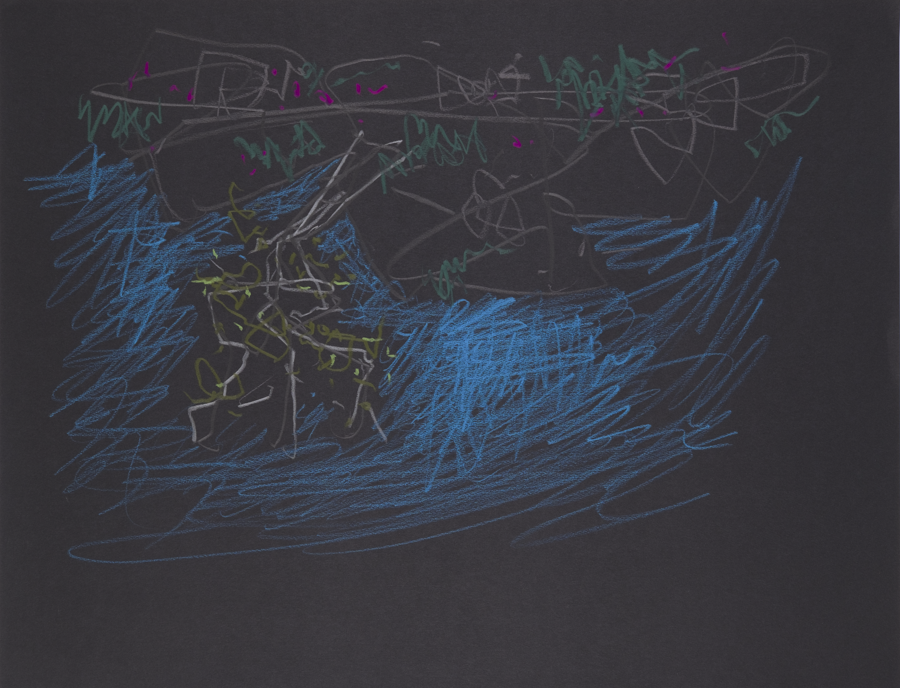
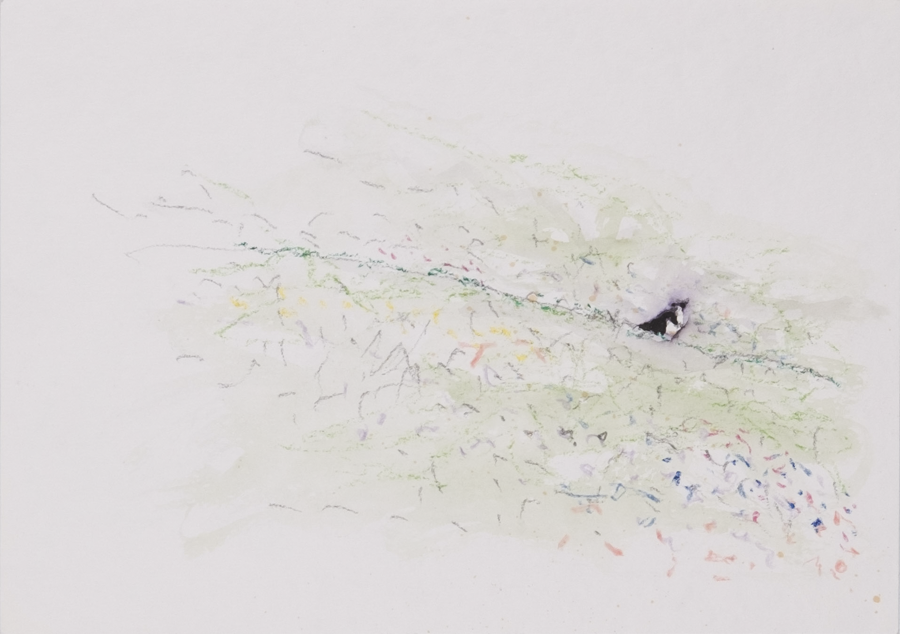
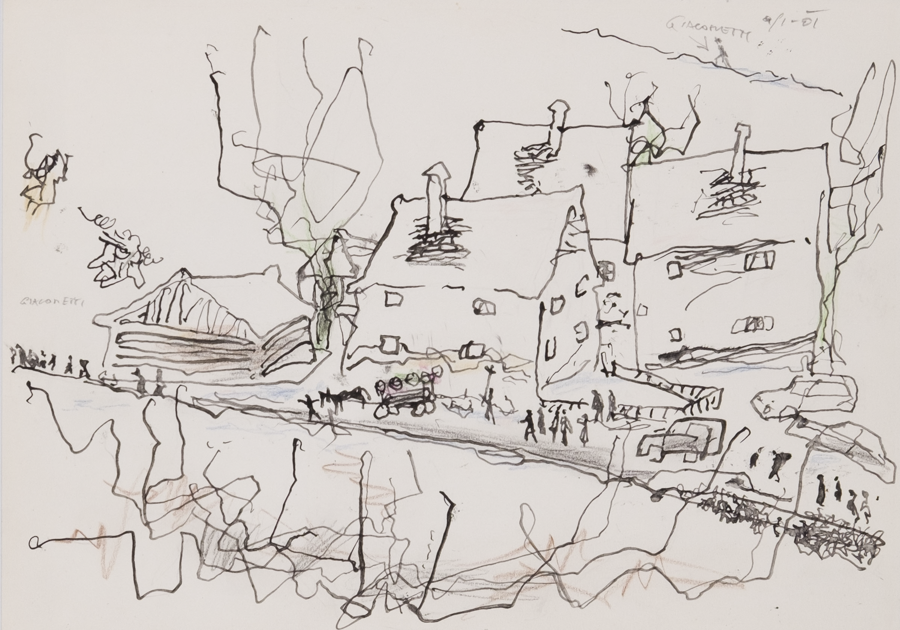
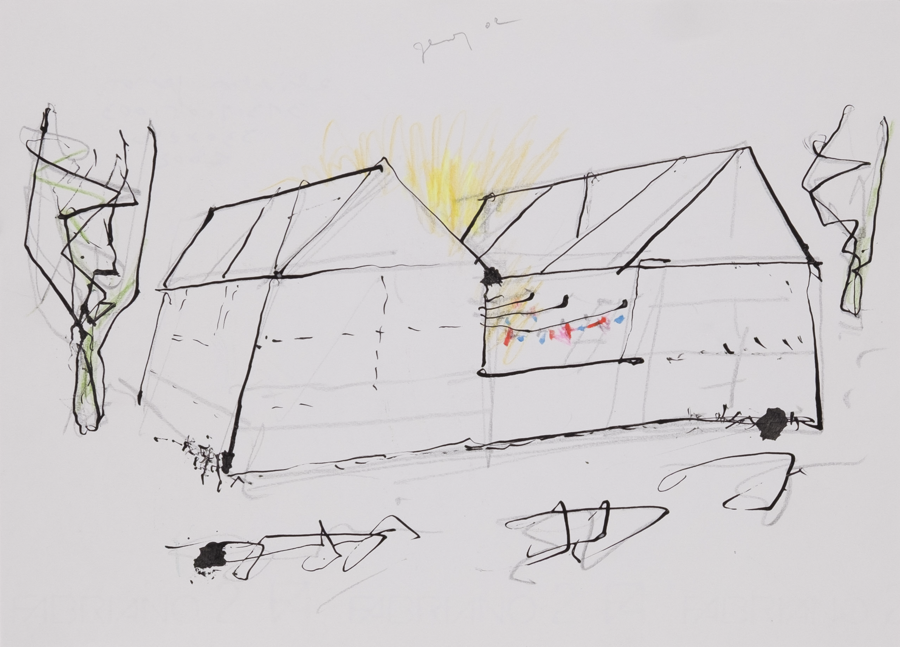
The recurrent line – which always returns and never really escapes – is the central element of the painter’s wit and is the bearer of the developing (walled) ecosystem – which he himself calls “gartlc” – a small enclosed garden, where there is a little of everything. Jeraj’s drawing carries the artist’s strategies and shows that it has grown in meaning. From drawing as a preparation for execution, to the so-called drawing-painting, which did not want to become a painting.
The selection
The central part of this selection presents 20 drawings, which are available for purchase as reproductions. The author mostly organized the drawings chronologically in folders or stored them in selections for different purposes, and they were scattered all over the studio. In organizing, I selected those that made a subjective impression on me and now represent the first selection intended for reproduction, which will be followed by others.
Giclée Fine Art Prints
The selected works are available for purchase in the so-called giclée technique. Giclée is a term used to describe a printing technique in which high-quality reproductions of original artworks are created using high-resolution printing. The original drawings vary in size. In giclée print, they can be ordered in three different sizes in a limited edition.